Why Professional Water Damage Restoration Matters: Safeguard Your Investment
Water damage creates considerable dangers that can undermine the value and safety of a property. A property's structural stability can be jeopardized, and the development of mold can pose serious health risks. Skilled restoration professionals serve a vital function in addressing these issues effectively. They employ specialized techniques and equipment to protect the building and those who inhabit it. Understanding the nuances of this process is imperative for any property owner. Which measures should property owners follow to ensure thorough restoration?
The Risks of Ignoring Water Damage
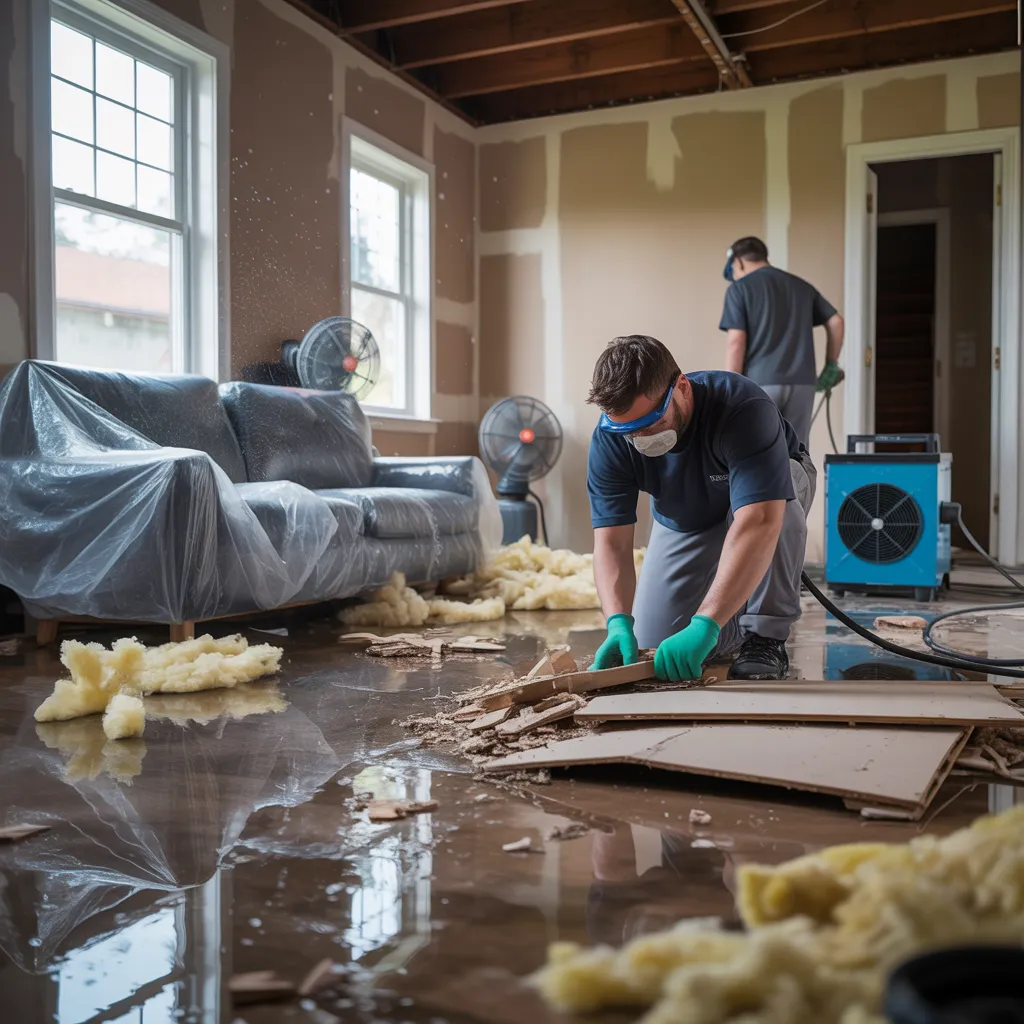
Ignoring water damage can lead to severe consequences, as the effects often worsen over time. Overlooked leaks or moisture can result in structural issues, compromising the integrity of walls, ceilings, and foundations. Mold development poses another serious concern; it flourishes in moist conditions and can present severe health risks, encompassing respiratory complications and allergic symptoms. Furthermore, water damage can reduce property worth, causing it to be less desirable to potential purchasers or lessees. The longer the damage remains unaddressed, the more costly the repairs become, causing potential economic hardship for property owners. Electrical risks can also develop, heightening the danger of fires resulting from short circuits. At last, disregarding water damage not only compromises the structural integrity but also imperils the health of those living within and the financial commitment tied to the property. Recognizing these risks is essential for prompt action and effective management of water-related issues.
Why Water Damage Restoration Is Essential for Property Protection
Water damage restoration plays an essential role in protecting properties from additional damage. When water enters a structure, it can result in structural deterioration, mold formation, and a decrease in property value. Swift restoration efforts help minimize these risks by removing excess moisture and addressing any damage promptly.
Neglecting to take action can cause costly repairs and significant expenses. Additionally, the accumulation of water can negatively affect electrical components and pose health risks to occupants. Expert restoration teams use advanced tools and methods to provide complete drying and sanitization, which are vital for keeping the space safe and habitable.
In addition, effective restoration can preserve the integrity of the property, preserving the monetary investment of the property owner. By prioritizing water damage restoration, homeowners not only improve the durability of their buildings but also advance the overall safety and quality of their living spaces.
How Experts Evaluate and Handle Water Damage
After recognizing the significance of timely restoration of water damage, comprehending how trained professionals assess and tackle the situation proves vital. Initially, experienced technicians carry out a detailed assessment to identify the extent of the damage. These professionals use thermal imaging and moisture meters to detect hidden water pockets within walls and floors, ensuring no area is overlooked.
After the evaluation is finished, professionals identify the water damage based on its source: clean water, gray water, or black water. This designation guides the suitable cleanup procedures. After this step, they formulate a tailored restoration plan, outlining steps for water extraction, drying, and treating the damaged sections.
Throughout the process, professionals prioritize safety, wearing protective gear and ensuring proper ventilation. Through the use of specialized methods and complying with professional industry standards, they effectively mitigate further damage and mold growth, preserving the safety of the property and its inhabitants. As a result, a structured approach is essential for successful water damage restoration.
Why Advanced Equipment Matters in Restoration
Leveraging sophisticated tools is vital in the water damage recovery process, as it elevates the productivity and impact of recovery efforts. Industrial-grade dehumidifiers and pumps support fast extraction of water and elimination of moisture, reducing the risk of secondary damage. Infrared cameras allow technicians to locate hidden explore this topic water damage, delivering a thorough inspection and remediation. Such equipment also support careful assessment of temperature and moisture levels, necessary for perfect moisture-elimination conditions.
In addition, advanced cleaning solutions and antimicrobial applications, applied using sophisticated delivery systems, guarantee comprehensive sanitization of damaged regions. Utilizing this specialized technology not only speeds up the recovery process but also limits the likelihood of property damage and safety concerns. Adopting advanced restoration technology allows experienced specialists to produce outstanding results, safeguarding properties and ultimately protecting the owner's investment. As a result, advanced equipment plays a pivotal role in achieving successful water damage remediation and restoration outcomes.
How Acting Quickly Prevents Mold Growth
Taking prompt steps after water damage is crucial in avoiding mold growth, an expected byproduct of extended exposure to moisture. Once water enters a building, it creates an environment conducive to mold spores, which can commence growing within one to two days. The speed at which water is removed and the area dried greatly influences the likelihood of mold formation.
Skilled restoration professionals employ advanced tools and methods to expedite this process, ensuring that moisture levels are reduced swiftly. This prompt action not only reduces the health hazards linked to mold growth but also preserves the structural soundness of the property. Postponing action enables mold to establish itself, resulting in significant damage and expensive remediation measures. By focusing on swift response, property owners can safeguard their investments and maintain a safe living environment.
Key Tips for Choosing a Restoration Company
What steps can property owners take to select the best restoration company? The first step involves thoroughly researching potential companies. Checking for certifications, such as those from the Institute of Inspection, Cleaning and Restoration Certification (IICRC), indicates professional expertise. Reading online reviews and testimonials can provide insight into the company's reliability and service quality.
Next, property owners should gather detailed quotes from multiple companies. This allows for the ability to compare timelines, services, and costs, maintaining openness. Moreover, it's essential to check that the contractor has sufficient insurance, protecting both the property owner and the workers involved.
Furthermore, assessing the provider's turnaround time is critical; quick action can reduce the extent of damage. As a final point, a reliable contractor should offer a comprehensive service warranty on their work, demonstrating confidence in their services. By adhering to these recommendations, property owners can reach educated decisions and secure their assets efficiently.
Saving Your Belongings With Professional Help
Upon choosing a reputable restoration company, building owners face the significant task of saving their belongings from water-related damage. Skilled restoration professionals employ advanced methods and tools to assess the extent of damage quickly. They employ specialized moisture removal equipment to eliminate excess water, minimizing further deterioration of personal items.
Restoration experts understand the diverse materials of different belongings, from fabrics to electronic devices, and utilize tailored methods for every type. To illustrate, important documents may be processed through freeze-drying, while wood furnishings may receive thorough cleaning or surface refinishing.
Furthermore, professionals can uncover concealed moisture that could cause mold proliferation, providing comprehensive protection for important assets. By depending on experienced restorers, building owners can boost the potential for preserving irreplaceable possessions, protecting not only their material worth but also their sentimental significance. At the end of the day, professional help proves critical in mitigating losses and returning peace of mind.
Frequently Asked Questions
How Can I Prevent Water Damage in My Home?
To avoid water damage in a residence, routine upkeep of plumbing systems, proper sealing of windows and doors, the installation of sump pumps, and prompt attention to leaks can markedly reduce the risk of water-related issues.
What Are Typical Signs of Hidden Water Damage?
Key warning signs of hidden water damage involve mysterious mold development, water marks on walls or ceilings, bubbling paint, buckled flooring, and damp odors. Prompt identification is critical to avoiding additional structural deterioration and expensive repairs.
Does My Insurance Policy Cover Water Damage Restoration Costs?
Insurance coverage for water damage restoration varies by policy. In most cases, standard homeowners insurance provides coverage for sudden and accidental damage, however exclusions may apply in cases of neglect or gradual damage. It is essential to review the policy details for a clear understanding.
How Long Does the Restoration Process Generally Take?
The remediation process typically takes anywhere from a few days to several weeks, determined by how extensive the water damage is, the scope of the impacted area, along with the effectiveness of the restoration team's response.
Can I Continue Living in My Home During Restoration Work?
Living in a home throughout the restoration process is usually not suggested. Dangers including mold, dust, and machinery noise may present serious risks. Property owners are encouraged to seek temporary housing for their safety and comfort throughout the restoration.